

Eco-Friendly Living: Practical Sustainable Lifestyle Tips
Discover actionable tips for sustainable living and embrace an eco-friendly lifestyle. Reduce your environmental impact with these practical guides.
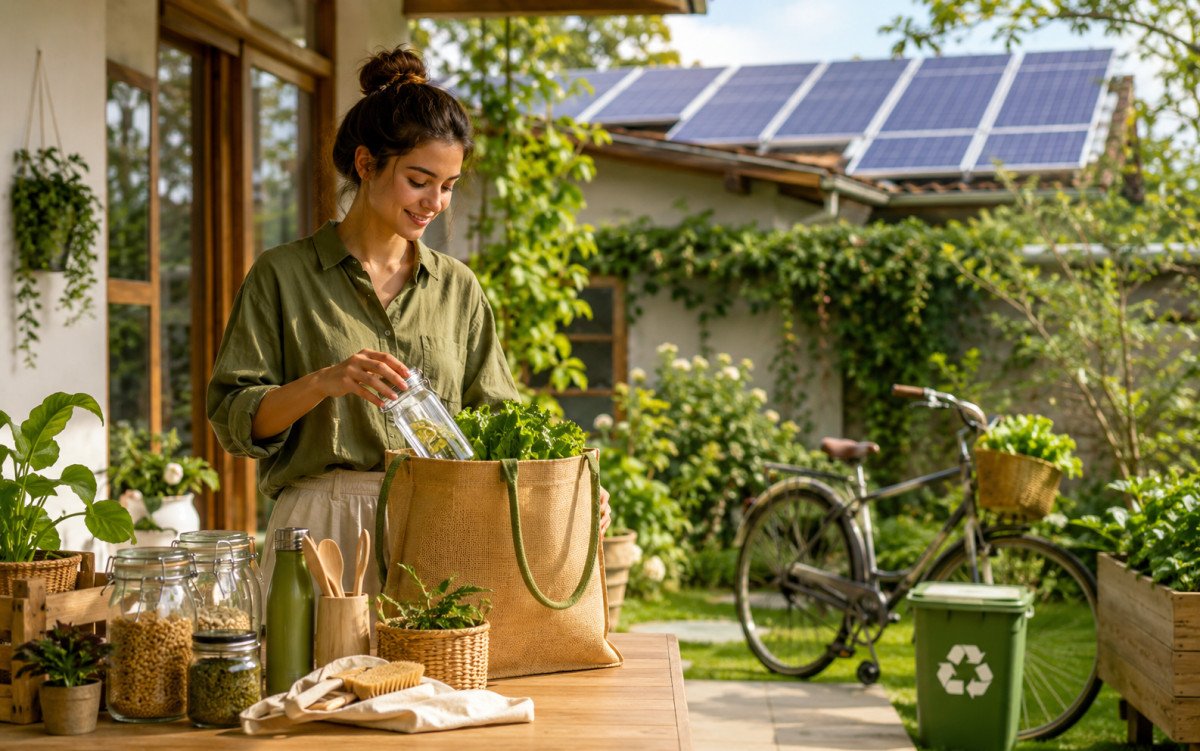
Embracing a sustainable lifestyle is no longer a niche pursuit but a necessary evolution for the well-being of our planet and future generations. It involves making conscious choices in our daily routines that minimize our environmental impact, conserve resources, and promote ecological balance. This shift doesn't require drastic sacrifices; rather, it's about adopting mindful habits that can be integrated seamlessly into modern life. From the food we eat to the products we buy and the energy we consume, every decision holds the potential to contribute positively to the environment.
One of the most impactful areas to focus on is reducing waste. The concept of 'reduce, reuse, recycle' remains a cornerstone of sustainable living. Reducing consumption is the first and most crucial step. Before buying anything, ask yourself if it's truly necessary. Opt for products with minimal packaging and avoid single-use items like plastic bags, straws, and disposable cups. Bringing your own reusable shopping bags, water bottles, and coffee cups are simple yet effective ways to cut down on waste. Reusing items extends their lifespan and prevents them from ending up in landfills. Old clothing can be repurposed into cleaning rags, glass jars can be used for storage, and furniture can be repaired or upcycled instead of being replaced. When items can no longer be used, recycling properly ensures that materials are given a new life. Familiarize yourself with your local recycling guidelines to ensure you're sorting waste correctly, as contamination can render entire batches unusable.
Composting is another powerful tool for waste reduction, particularly for organic materials. Food scraps, yard waste, and other compostable items can be transformed into nutrient-rich soil, which can then be used to fertilize gardens. This diverts a significant amount of waste from landfills, where organic matter decomposes anaerobically, producing methane – a potent greenhouse gas. Setting up a home compost bin, whether it's a simple pile in the backyard or a compact indoor system, is an achievable step for many households. It not only benefits the environment by reducing landfill waste and greenhouse gas emissions but also provides a sustainable source of fertilizer for plants.
Mindful Consumption and Purchasing Power
Our purchasing decisions have far-reaching environmental consequences. Practicing mindful consumption means being aware of the impact of our purchases. This involves prioritizing products that are ethically sourced, sustainably produced, and built to last. Look for certifications like Fair Trade, Organic, or FSC (Forest Stewardship Council) which indicate adherence to certain environmental and social standards. Supporting local businesses and farmers' markets also reduces the carbon footprint associated with transportation and promotes a more resilient local economy.
When it comes to clothing, the concept of fast fashion has a significant environmental toll, from water pollution caused by dyeing processes to landfill waste from discarded garments. Embracing a more sustainable approach to fashion involves buying fewer, higher-quality pieces, opting for natural or recycled fabrics, and exploring second-hand options through thrift stores or clothing swaps. Repairing clothes instead of discarding them, and donating or recycling items that are no longer wearable, are also crucial aspects of a sustainable wardrobe.
Energy Efficiency and Renewable Resources
Reducing energy consumption is vital for mitigating climate change, as a significant portion of global energy production still relies on fossil fuels. Simple changes around the home can lead to substantial energy savings. Switching to energy-efficient LED light bulbs is a quick and cost-effective way to reduce electricity usage. Unplugging electronics when they are not in use, as many devices consume 'phantom power' even when turned off, can also make a difference. Investing in energy-efficient appliances when replacements are needed can lead to long-term savings on utility bills and a reduced environmental footprint.
Consider exploring renewable energy sources. If you own your home, installing solar panels can significantly reduce your reliance on the grid and lower your carbon emissions. For renters or those unable to install solar, many utility companies offer green energy plans that source electricity from renewable resources like wind and solar power. Improving home insulation, sealing drafts around windows and doors, and using programmable thermostats to optimize heating and cooling can also drastically cut down on energy waste.
Sustainable Food Choices
The food we eat has a profound impact on the environment, influencing land use, water consumption, and greenhouse gas emissions. Adopting a more plant-based diet, or simply reducing meat consumption, can significantly lower your carbon footprint. Animal agriculture is a major contributor to deforestation, methane emissions, and water pollution. Prioritizing locally sourced, seasonal produce not only supports local farmers but also reduces the energy required for transportation and storage.
Choosing organic foods helps reduce exposure to pesticides and supports farming practices that are better for soil health and biodiversity. Reducing food waste is another critical aspect. Planning meals, storing food properly, and being creative with leftovers can prevent edible food from ending up in the trash. Learning preservation techniques like canning or freezing can also help make the most of seasonal produce.
Water Conservation
Water is a precious resource, and conserving it is essential for environmental sustainability. Simple habits can make a big difference. Taking shorter showers, fixing leaky faucets and toilets promptly, and using water-efficient appliances like low-flow showerheads and toilets are effective strategies. When gardening, opt for drought-tolerant plants, water early in the morning or late in the evening to minimize evaporation, and consider installing a rain barrel to collect water for irrigation. Washing clothes in cold water whenever possible also saves energy used for heating water.
Transportation and Travel
Transportation is a major source of greenhouse gas emissions. Whenever possible, choose sustainable modes of transport. Walking, cycling, or using public transportation are excellent alternatives to driving alone. Carpooling with colleagues or friends can also reduce the number of vehicles on the road. For longer distances, consider trains over airplanes, as train travel generally has a lower carbon footprint per passenger mile. If driving is necessary, maintaining your vehicle properly, ensuring tires are properly inflated, and driving smoothly can improve fuel efficiency.
Eco-Friendly Home and Cleaning
Making your home more eco-friendly extends to the products you use for cleaning and maintenance. Many conventional cleaning products contain harsh chemicals that can be harmful to human health and aquatic ecosystems. Opt for natural, biodegradable cleaning solutions made from ingredients like vinegar, baking soda, and essential oils. Reusable cleaning cloths and sponges are a sustainable alternative to disposable wipes and paper towels.
When it comes to home furnishings and decor, consider materials that are sustainably sourced, recycled, or upcycled. Bamboo, cork, and reclaimed wood are excellent choices. Choosing durable, well-made items reduces the need for frequent replacements, further minimizing waste and resource consumption. Even small changes, like using reusable food storage containers instead of plastic wrap or single-use bags, contribute to a more sustainable household.
Adopting a sustainable lifestyle is a journey, not a destination. It's about making incremental changes that, collectively, create a significant positive impact. By integrating these tips into our daily lives, we can contribute to a healthier planet, conserve natural resources, and build a more sustainable future for all.
What's Your Reaction?
 Like
0
Like
0
 Dislike
0
Dislike
0
 Love
0
Love
0
 Funny
0
Funny
0
 Wow
0
Wow
0
 Sad
0
Sad
0
 Angry
0
Angry
0

We focus on content that stays useful over time. Instead of chasing short-lived trends, we create evergreen articles, guides, tips, and educational resources designed to deliver long-term value. Our team works to ensure every article is clear, reliable, and helpful for readers seeking trustworthy information online
















Comments (0)