

Brand Reputation Mistakes That Can Damage Your Business and How to Avoid Them
Discover the most critical branding mistakes that erode consumer trust and learn how to protect your company's reputation for long-term success.
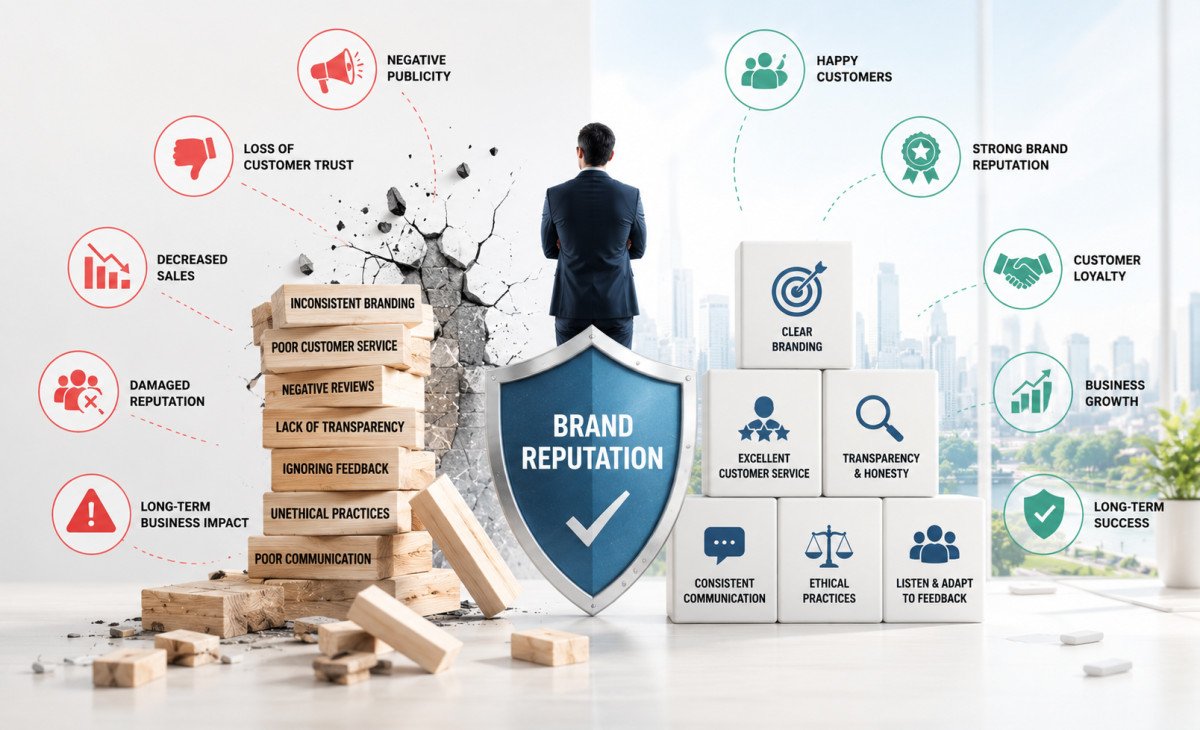
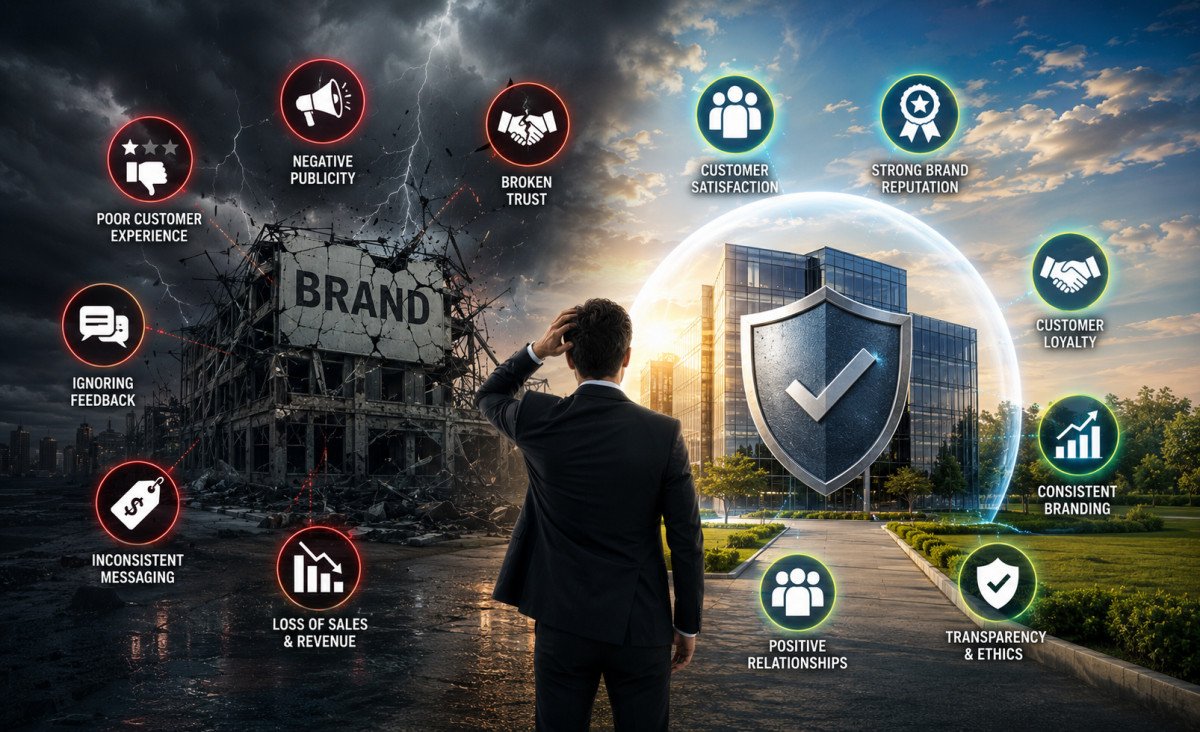
Building a strong brand takes years of consistent effort, but damaging that reputation can happen much faster than most business owners realize. A single negative customer experience, an inconsistent message, or a poorly handled public issue can quickly erode the trust you've worked so hard to earn.
Today's consumers are more informed, connected, and selective than ever before. Before buying a product or service, they read reviews, compare competitors, check social media profiles, and evaluate whether a company aligns with their values. Because of this, your brand is no longer defined solely by your logo, website, or advertising campaigns. It is defined by how people perceive your business after every interaction.
Many companies invest heavily in marketing but overlook the everyday decisions that shape their reputation. Often, it isn't a major scandal that hurts a brand—it is a series of small mistakes that slowly weaken customer trust over time.
Let's explore some of the most common brand reputation mistakes businesses make and the practical steps you can take to avoid them.
Why Brand Reputation Matters More Than Ever
A strong reputation creates trust, and trust drives business growth.
When customers trust your brand, they are more likely to:
- Purchase from you repeatedly
- Recommend your business to others
- Leave positive reviews
- Forgive occasional mistakes
- Choose your company over competitors
On the other hand, a damaged reputation can lead to declining sales, negative publicity, customer churn, and long-term credibility issues.
The good news is that many reputation problems are preventable when you know what to watch for.
Inconsistent Branding Across Different Channels
One of the most common branding mistakes is presenting different versions of your business across multiple platforms.
Imagine a company that appears professional and knowledgeable on LinkedIn but uses completely different messaging, visuals, and tone on Instagram. A customer visiting both platforms may feel confused about what the brand actually represents.
This inconsistency creates uncertainty, and uncertainty often reduces trust.
Why Consistency Builds Trust
People naturally trust businesses that feel reliable and predictable.
Consistency helps customers recognize your brand and know what to expect. Whether they visit your website, receive an email, interact with customer support, or see a social media post, the experience should feel connected.
How to Maintain Brand Consistency
Create clear brand guidelines that cover:
- Brand colors
- Typography
- Logo usage
- Tone of voice
- Customer communication standards
- Social media messaging
When everyone in your organization follows the same guidelines, your brand becomes more recognizable and trustworthy.
Failing to Tell an Authentic Brand Story
Modern consumers can quickly spot when a company is trying too hard to appear something it isn't.
Businesses sometimes create marketing messages that sound impressive but don't reflect reality. This gap between what a company says and what it actually does can seriously damage credibility.
The Problem With Manufactured Authenticity
Customers don't expect perfection.
What they do expect is honesty.
For example, if a company promotes itself as environmentally responsible but is exposed for wasteful practices, customers may feel misled. Once trust is broken, rebuilding it can be difficult.
How Authentic Storytelling Strengthens Your Brand
The best brand stories are based on genuine experiences and values.
Instead of focusing only on products and services, explain:
- Why the company was started
- What problems it solves
- What values guide decision-making
- How customers benefit
People connect with stories far more than marketing slogans.
Authenticity creates emotional connections that advertising alone cannot achieve.
Ignoring Customer Feedback
Many businesses spend significant resources attracting customers but fail to listen once those customers start sharing their experiences.
This is a costly mistake.
Customer feedback provides valuable insight into what is working and what needs improvement.
Why Listening Matters
Every review, comment, survey response, and support request contains useful information.
Positive feedback reveals strengths.
Negative feedback reveals opportunities for improvement.
Businesses that actively listen can identify issues before they become larger problems.
Turning Criticism Into Opportunity
When customers raise concerns:
- Respond professionally
- Acknowledge their experience
- Offer solutions when possible
- Show appreciation for their feedback
A thoughtful response can often turn an unhappy customer into a loyal advocate.
In contrast, ignoring complaints can make customers feel dismissed and encourage them to share negative experiences publicly.
Making Promises You Can't Deliver
Many businesses damage their reputation by setting unrealistic expectations.
In highly competitive markets, it can be tempting to exaggerate product benefits, delivery times, or service outcomes.
While this may generate short-term attention, it often creates long-term disappointment.
The Cost of Overpromising
When customer expectations exceed reality, frustration follows.
A disappointed customer is unlikely to return and may leave negative reviews that influence future buyers.
This can have a ripple effect across social media, review platforms, and online communities.
Under-Promise and Over-Deliver
One of the simplest ways to strengthen your reputation is to be realistic about what you offer.
Instead of making bold claims:
- Be transparent about capabilities
- Set achievable expectations
- Focus on delivering exceptional value
Customers remember positive surprises far more than ambitious promises that fail to materialize.
Refusing to Adapt to Changing Market Expectations
Consistency is important, but so is adaptability.
Markets evolve. Customer preferences change. New technologies emerge.
Brands that refuse to evolve risk becoming irrelevant.
Recognizing When Change Is Needed
A business doesn't need to follow every trend.
However, it should regularly evaluate whether its positioning still resonates with its audience.
Ask questions such as:
- Are customer needs changing?
- Does our messaging still feel relevant?
- Is our visual identity modern and accessible?
- Are competitors solving problems differently?
Regular brand reviews can help identify areas that need updating before they become major weaknesses.
Staying Relevant Without Losing Identity
The strongest brands evolve while staying true to their core values.
They modernize their approach without abandoning the principles that built customer trust in the first place.
Poor Crisis Management Can Make Problems Worse
Every business makes mistakes.
Products fail.
Services experience disruptions.
Unexpected issues arise.
What separates respected brands from struggling ones is often how they respond when things go wrong.
Common Crisis Management Mistakes
Many companies react defensively during difficult situations.
Some delay responding.
Others avoid accountability or issue generic statements that feel insincere.
These approaches often intensify public criticism.
A Better Approach to Reputation Recovery
When facing a problem:
Respond Quickly
Acknowledge the issue as soon as possible.
Be Honest
Explain what happened without making excuses.
Share Solutions
Tell customers what steps are being taken to fix the problem.
Communicate Like a Human
Avoid robotic corporate language.
Customers appreciate transparency and accountability far more than perfectly crafted statements.
Often, a sincere response can preserve trust even after a significant mistake.
Disconnect Between Company Culture and Brand Image
Many businesses focus heavily on external branding while neglecting internal culture.
This can create serious credibility problems.
Your employees interact with customers every day. Their attitudes, behaviors, and experiences directly influence how people perceive your brand.
Why Internal Culture Matters
If employees feel disconnected, unsupported, or unhappy, that reality often becomes visible to customers.
Poor service quality, inconsistent communication, and low morale can all damage brand perception.
On the other hand, engaged employees naturally become advocates for the business.
Aligning Culture With Brand Values
Strong brands ensure that internal practices reflect external messaging.
If your brand promotes:
- Customer care
- Innovation
- Integrity
- Collaboration
Those values should also be visible inside the organization.
When employees genuinely believe in the company's mission, they help strengthen trust at every customer touchpoint.
Building a Reputation That Lasts
Protecting your brand reputation isn't a one-time project.
It's an ongoing commitment.
Every interaction contributes to how customers perceive your business.
The strongest brands focus on:
- Consistency
- Authenticity
- Customer feedback
- Honest communication
- Continuous improvement
- Employee engagement
When these elements work together, trust grows naturally.
A strong reputation becomes one of the most valuable assets a business can possess because it influences purchasing decisions, customer loyalty, and long-term growth.
Conclusion
Brand reputation is built through everyday actions, not marketing campaigns alone. Customers pay attention to how businesses communicate, respond to feedback, handle mistakes, and deliver on promises.
By avoiding common branding mistakes such as inconsistent messaging, ignoring customer feedback, overpromising, poor crisis management, and cultural disconnects, businesses can build stronger relationships with their audiences and create lasting trust.
A respected brand doesn't happen by accident. It is earned through consistency, transparency, accountability, and a genuine commitment to serving customers well.
Businesses that prioritize these principles are far more likely to thrive, even in competitive and rapidly changing markets.
Frequently Asked Questions
What's Your Reaction?
 Like
0
Like
0
 Dislike
0
Dislike
0
 Love
0
Love
0
 Funny
0
Funny
0
 Wow
0
Wow
0
 Sad
0
Sad
0
 Angry
0
Angry
0

We focus on content that stays useful over time. Instead of chasing short-lived trends, we create evergreen articles, guides, tips, and educational resources designed to deliver long-term value. Our team works to ensure every article is clear, reliable, and helpful for readers seeking trustworthy information online
















Comments (0)