

How to Sleep Better Naturally: Practical Strategies for Deep, Restful Sleep
Optimize your rest with science-backed strategies for better sleep quality, improved cognitive performance, and long-term physical health.
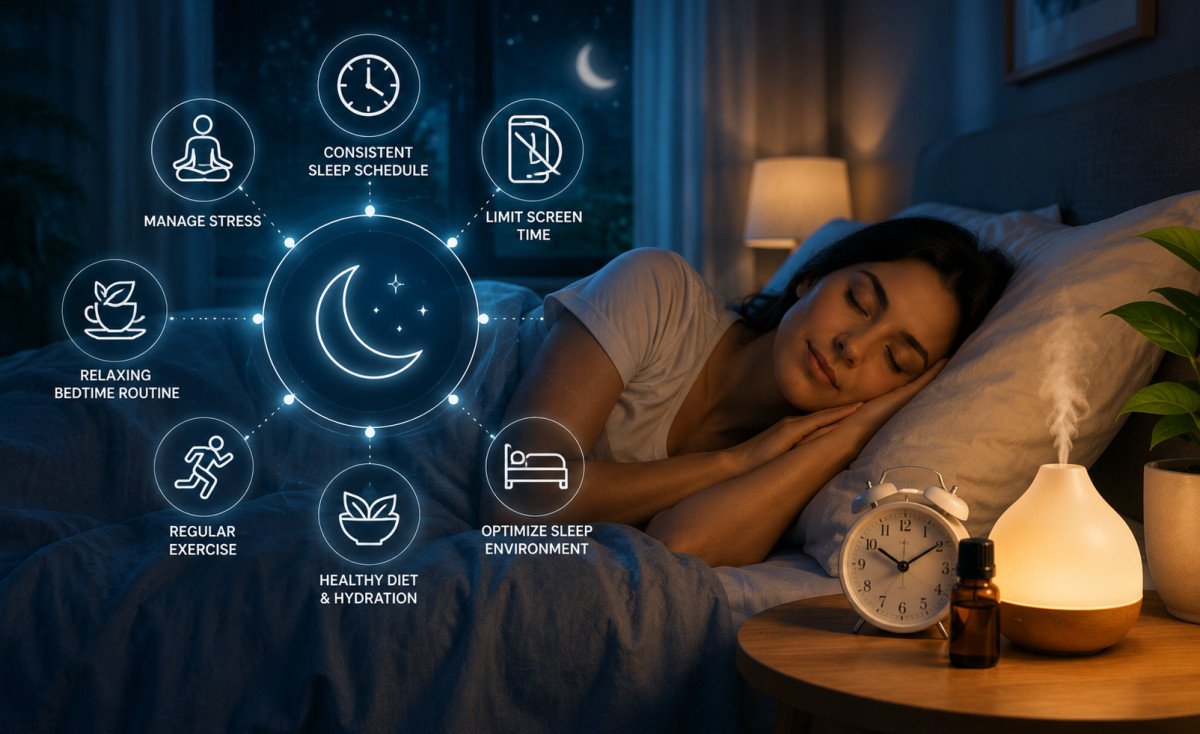
Have you ever spent eight hours in bed only to wake up feeling exhausted? You're not alone. Many people assume that simply getting enough hours of sleep is the key to feeling refreshed, but sleep quality matters just as much as sleep quantity.
Good sleep affects nearly every aspect of your life. It influences your energy levels, focus, mood, productivity, immune system, and even long-term health. Yet modern habits—late-night screen time, stressful schedules, irregular routines, and constant distractions—often work against the body's natural sleep processes.
The good news is that improving sleep doesn't require expensive gadgets or complicated routines. Small, consistent changes can make a significant difference. By understanding how your body naturally regulates sleep and creating habits that support it, you can enjoy deeper rest and wake up feeling more energized each day.
Why Your Internal Body Clock Matters
Your body operates on a natural 24-hour cycle known as the circadian rhythm. This internal clock helps regulate when you feel awake and when you feel sleepy.
When your circadian rhythm is working properly, falling asleep and waking up become much easier. However, irregular schedules, excessive screen exposure, and inconsistent sleep habits can disrupt this cycle.
Start Your Day with Natural Light
One of the simplest ways to support your body clock is to get sunlight shortly after waking up.
Morning sunlight sends a clear signal to your brain that the day has begun. This helps reduce melatonin—the hormone that promotes sleep—and improves alertness throughout the day.
Even spending 10 to 20 minutes outside in the morning can help regulate your sleep-wake cycle over time.
Keep a Consistent Sleep Schedule
Many people sleep and wake at different times throughout the week. While this may seem harmless, it can confuse your body's internal clock.
Try to:
-
Wake up at the same time every day
-
Maintain a consistent bedtime
-
Avoid dramatic schedule changes on weekends
Consistency helps train your body to feel sleepy and alert at the right times.
Create a Bedroom That Encourages Better Sleep
Your sleeping environment plays a major role in sleep quality. Even small disruptions can prevent you from reaching deeper stages of sleep.
Keep the Room Cool
Most sleep experts recommend a bedroom temperature between 60°F and 67°F (15°C to 19°C).
As you prepare for sleep, your body naturally lowers its core temperature. A cooler room supports this process and can help you fall asleep faster.
Reduce Light Exposure
Light signals the brain to stay awake. Even small amounts of light can interfere with sleep quality.
Consider:
-
Using blackout curtains
-
Wearing a sleep mask
-
Covering bright electronic indicators
-
Dimming lights during the evening
Creating a darker environment helps your body produce melatonin naturally.
Minimize Noise Disruptions
Unexpected sounds can interrupt sleep without you realizing it.
If outside noise is an issue, you can try:
-
A white noise machine
-
A fan
-
Soft background sounds
-
Earplugs when appropriate
These options help create a more stable sleep environment.
Remove Work and Entertainment Devices
Your brain forms associations based on repeated behavior.
If you regularly answer emails, watch television, or scroll social media in bed, your brain begins linking the bedroom with activity rather than rest.
Keeping work-related devices out of the bedroom can strengthen the mental connection between your bed and sleep.
How Food and Drinks Affect Sleep Quality
What you consume throughout the day can significantly impact your ability to sleep well at night.
Be Careful with Caffeine Timing
Coffee, tea, energy drinks, and some soft drinks contain caffeine, which can stay in your system for several hours.
A cup of coffee consumed late in the afternoon may still affect your sleep at bedtime.
If you struggle with sleep, consider setting a caffeine cutoff point around early afternoon.
Limit Alcohol Before Bed
Many people believe alcohol helps them sleep because it can create feelings of drowsiness.
However, alcohol often reduces sleep quality. It can interrupt important sleep stages, increase nighttime awakenings, and leave you feeling less refreshed the next morning.
Avoid Heavy Late-Night Meals
Eating large meals shortly before bed may lead to discomfort, indigestion, or acid reflux.
If you're hungry in the evening, choose lighter options and try to finish larger meals several hours before bedtime.
Build a Relaxing Evening Routine
Your body needs time to transition from a busy day into a restful night.
Trying to go directly from work, social media, or stressful activities into sleep can make it difficult for the brain to slow down.
Creating a simple wind-down routine helps signal that bedtime is approaching.
Read a Physical Book
Reading can be an excellent way to relax before bed.
A printed book is often a better choice than a phone or tablet because it doesn't expose your eyes to stimulating blue light.
Choose content that is calming and enjoyable rather than highly stimulating.
Try Gentle Stretching
Light stretching can release physical tension that accumulates throughout the day.
Even five to ten minutes of gentle movement may help your body feel more relaxed and prepared for sleep.
Use Journaling to Clear Your Mind
Many people struggle to sleep because their minds remain occupied with tasks, deadlines, and worries.
A simple journal can help.
Before bed, write down:
-
Tomorrow's priorities
-
Unfinished tasks
-
Thoughts causing stress
-
Things you're grateful for
This process can reduce mental clutter and make it easier to relax.
Practice Slow Breathing
Controlled breathing exercises help activate the body's relaxation response.
A simple technique is to inhale slowly, pause briefly, and exhale longer than you inhale.
Just a few minutes of focused breathing can lower tension and prepare the body for sleep.
Managing Stress for Better Sleep
Stress and anxiety are among the most common causes of sleep problems.
When the brain perceives stress, it releases hormones that increase alertness. This makes it difficult to relax enough for quality sleep.
Learn to Recognize Mental Overload
Many people don't realize how much mental strain they're carrying until bedtime arrives.
If your mind becomes most active when you lie down, it may be a sign that stress is building throughout the day.
Regular stress-management habits such as mindfulness, exercise, meditation, or talking with trusted friends can improve both mental well-being and sleep quality.
Don't Force Sleep
One common mistake is staying in bed for long periods while feeling frustrated about being awake.
If you've been unable to fall asleep for about 20 minutes, consider getting up and doing a quiet activity in low light.
Read a book, practice relaxation techniques, or sit quietly until you feel sleepy again.
This helps prevent your brain from associating the bed with stress and frustration.
Reduce Evening Screen Time
Technology has become one of the biggest obstacles to healthy sleep.
Phones, tablets, laptops, and televisions provide constant stimulation while also exposing you to blue light that can interfere with melatonin production.
Create a Digital Cutoff Time
Consider turning off screens 30 to 60 minutes before bed.
Use that time for activities that encourage relaxation, such as:
-
Reading
-
Stretching
-
Journaling
-
Meditation
-
Quiet conversation
Even small reductions in nighttime screen use can improve sleep quality over time.
Why Consistency Beats Quick Fixes
Many people search for a magic solution to poor sleep.
The reality is that better sleep usually comes from a collection of small habits working together.
A consistent bedtime, a comfortable sleep environment, healthy daily habits, and effective stress management often produce better results than any single sleep hack.
The key is patience.
Your body may need several weeks to fully adapt to new routines. However, once healthy sleep habits become automatic, the benefits extend far beyond the bedroom.
Better Sleep Creates Better Days
Quality sleep affects nearly every part of life. When you sleep well, you think more clearly, make better decisions, manage stress more effectively, and maintain higher energy levels throughout the day.
Improving your sleep doesn't require perfection. Start with one or two changes that feel realistic for your lifestyle. Perhaps that means getting morning sunlight, reducing evening screen time, or creating a simple bedtime routine.
Over time, these small adjustments can add up to meaningful improvements in both sleep quality and overall well-being.
Rather than viewing sleep as something that fits around your schedule, treat it as the foundation that supports everything else. When sleep improves, many other areas of life tend to improve with it as well.
Frequently Asked Questions
What's Your Reaction?
 Like
0
Like
0
 Dislike
0
Dislike
0
 Love
0
Love
0
 Funny
0
Funny
0
 Wow
0
Wow
0
 Sad
0
Sad
0
 Angry
0
Angry
0

We focus on content that stays useful over time. Instead of chasing short-lived trends, we create evergreen articles, guides, tips, and educational resources designed to deliver long-term value. Our team works to ensure every article is clear, reliable, and helpful for readers seeking trustworthy information online
















Comments (0)