

How to Improve Weight Loss Without Feeling Overwhelmed: A Simple Guide
Discover a sustainable, science-backed approach to weight loss that eliminates overwhelm by focusing on simple, habit-based changes for lasting results.
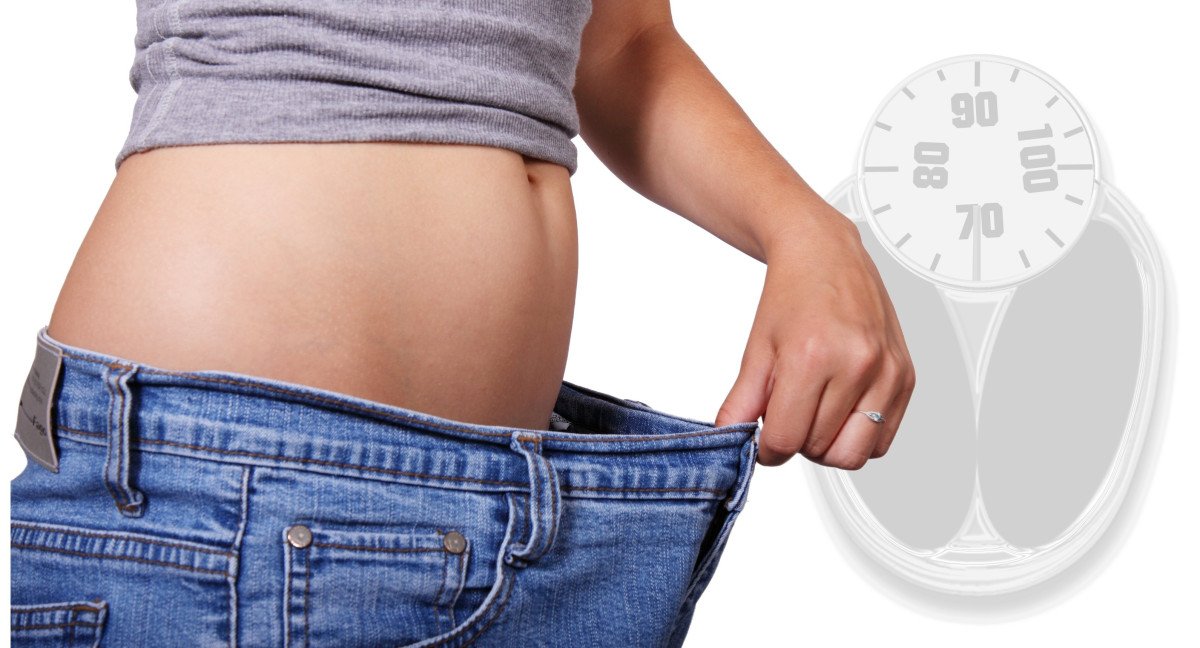
Embarking on a weight loss journey is frequently associated with a sense of dread. The modern diet industry, with its rapid-fire trends and restrictive protocols, often leaves individuals feeling paralyzed by the sheer volume of information. When you attempt to overhaul your entire lifestyle overnight, your brain’s natural resistance to change kicks in, leading to the dreaded feeling of being overwhelmed. Sustainable weight loss is not about radical deprivation; it is about the strategic implementation of small, manageable changes that compound over time.
The Psychological Barrier of Perfectionism
The primary reason most weight loss programs fail is the binary mindset of success versus failure. Many people believe that if they are not adhering to a strict caloric deficit or a specific macro ratio every single hour of the day, they have failed. This all-or-nothing thinking is the enemy of progress. To avoid feeling overwhelmed, you must shift your focus from perfection to consistency. Consistency is the ability to show up for your goals even when you have an imperfect day. By accepting that your journey will have fluctuations, you strip away the emotional weight of a single meal or a missed workout, allowing you to get back on track without the baggage of guilt.
The Power of Micro-Habits
Instead of trying to transform your diet, exercise routine, and sleep schedule simultaneously, focus on micro-habits. Micro-habits are small actions that take less than five minutes to perform but provide significant long-term value. For example, rather than committing to a rigorous hour-long exercise program, commit to a ten-minute brisk walk after dinner. Rather than attempting a complete dietary overhaul, focus on adding one serving of vegetables to your lunch. These small wins build self-efficacy—the belief in your own ability to succeed—which is essential for maintaining momentum.
Strategic Nutritional Adjustments
Nutrition is the cornerstone of weight loss, but it is also the area where people experience the most anxiety. To simplify your nutrition, focus on two primary variables: protein intake and fiber consumption. Protein is the most satiating macronutrient, meaning it keeps you feeling full for longer periods and protects your muscle mass during a calorie deficit. Fiber, found in vegetables, fruits, and legumes, regulates blood sugar levels and improves digestive health.
- Prioritize Protein: Aim for a high-quality protein source at every meal. This could be lean meat, fish, tofu, or legumes.
- Increase Volume: Fill half your plate with non-starchy vegetables. This allows you to eat a satisfying portion size while naturally reducing your caloric density.
- Hydration Awareness: Often, the brain misinterprets thirst signals as hunger. Drinking a glass of water before each meal can help improve satiety.
Optimizing Sleep and Stress Management
Weight loss is not solely a matter of calories in versus calories out; it is a biological process heavily influenced by hormones. Poor sleep and chronic stress are two of the most significant disruptors of metabolic health. When you are sleep-deprived, your body increases the production of ghrelin—the hunger hormone—and decreases leptin, which signals fullness. This biological state makes it nearly impossible to stick to a healthy diet, regardless of how much willpower you possess.
To manage stress without feeling overwhelmed, integrate non-negotiable recovery periods into your week. This does not have to be an elaborate spa day. Simple activities like reading a book, practicing deep breathing, or spending time in nature can significantly lower cortisol levels. When your cortisol is regulated, your body is much more receptive to weight loss efforts, and your cravings for high-calorie, processed foods will naturally diminish.
The Role of Sustainable Exercise
Exercise should be viewed as a tool for health and longevity rather than a punishment for what you ate. Many people view exercise as a way to 'burn off' calories, which creates a transactional and often negative relationship with physical activity. Instead, look for forms of movement that you genuinely enjoy. Whether it is swimming, cycling, weight training, or dancing, the best exercise for weight loss is the one you will actually do consistently.
- Resistance Training: Incorporating strength training is vital for long-term weight management. Muscle tissue is metabolically active, meaning it burns more calories at rest than fat tissue.
- Non-Exercise Activity Thermogenesis (NEAT): Many people overlook the calories burned through daily movement that is not considered 'exercise.' Taking the stairs, standing while working, or walking to the store are all forms of NEAT that contribute significantly to your daily energy expenditure without adding to your mental load.
Tracking Without Obsession
While data can be useful, constant tracking can become a source of anxiety. If you find yourself obsessing over every calorie or every gram on the scale, it is time to change your approach. The scale is merely one data point; it is not a direct reflection of your body composition or your progress. Instead of daily weigh-ins, consider using trends over time, or focus on non-scale victories such as your energy levels, how your clothes fit, and your improved strength in the gym.
Cultivating a Long-Term Mindset
The final key to avoiding overwhelm is to lengthen your time horizon. We live in a culture that demands instant results, but biological change takes time. When you view your health as a lifelong project rather than a six-week sprint, the pressure to be perfect dissipates. Allow yourself the grace to experiment, to learn what works for your unique physiology, and to adjust your approach as you go. By focusing on the process rather than the destination, you transform weight loss from a stressful chore into a rewarding journey of personal growth and improved well-being. Remember, small, consistent actions performed over an extended period will always outperform short-lived, intense efforts. Stay patient, stay consistent, and keep your focus on the daily habits that move the needle toward your long-term goals.
What's Your Reaction?
 Like
0
Like
0
 Dislike
0
Dislike
0
 Love
0
Love
0
 Funny
0
Funny
0
 Wow
0
Wow
0
 Sad
0
Sad
0
 Angry
0
Angry
0

We focus on content that stays useful over time. Instead of chasing short-lived trends, we create evergreen articles, guides, tips, and educational resources designed to deliver long-term value. Our team works to ensure every article is clear, reliable, and helpful for readers seeking trustworthy information online















Comments (0)