

Mastering Digital Skills: Your Professional Edge
Unlock your career potential with essential digital skills. This comprehensive guide covers key areas like data analysis, digital marketing, cloud computing, and cybersecurity for professionals.
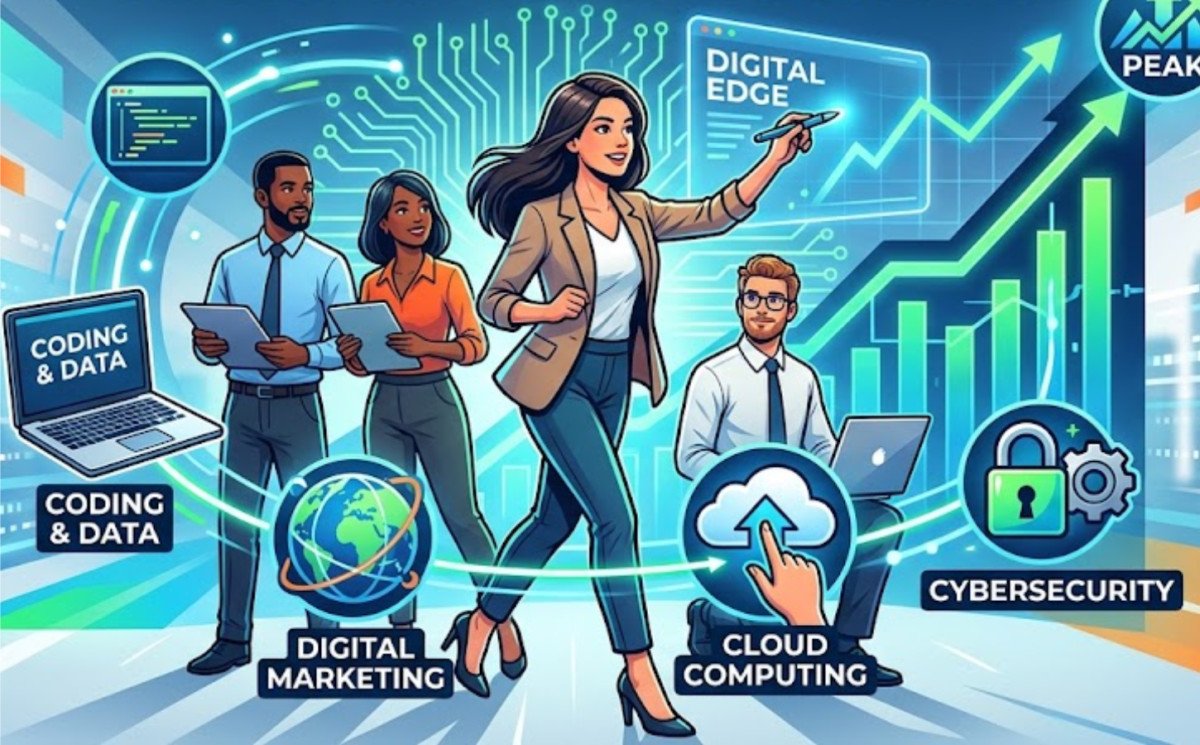
In today's rapidly evolving professional landscape, the acquisition and mastery of digital skills are no longer a luxury but a fundamental necessity. The relentless pace of technological advancement has reshaped industries, redefined job roles, and created new opportunities for those equipped with the right digital competencies. For professionals at all levels, understanding and leveraging these digital tools and strategies is crucial for maintaining relevance, driving innovation, and achieving career growth. This article delves into the core digital skills that are indispensable for professionals seeking to thrive in the modern economy.
The digital revolution has permeated every sector, from finance and healthcare to education and manufacturing. Businesses are increasingly reliant on digital platforms, data-driven decision-making, and agile operational models. Consequently, professionals who can navigate this digital terrain effectively are in high demand. This necessitates a proactive approach to learning and development, focusing on skills that enhance productivity, foster collaboration, and enable strategic thinking in a digital context.
Data Literacy and Analytics
Data has become the new oil, and the ability to understand, interpret, and utilize it effectively is a paramount digital skill. Data literacy involves not just being able to read data but also understanding its context, its potential biases, and how to derive meaningful insights from it. Professionals need to be comfortable with basic statistical concepts, data visualization tools, and the principles of data management.
Advanced data analytics skills, including proficiency in tools like Excel, SQL, Python, or R, and platforms like Tableau or Power BI, allow professionals to uncover trends, predict outcomes, and inform strategic decisions. This skill set is vital for roles in marketing, finance, operations, product development, and management, enabling data-driven strategies that lead to improved performance and competitive advantage. The ability to translate raw data into actionable business intelligence is a hallmark of a digitally savvy professional.
Digital Marketing and Communication
For many businesses, their online presence is their primary storefront and communication channel. Digital marketing encompasses a wide range of strategies and tactics designed to reach and engage target audiences online. Key components include search engine optimization (SEO), content marketing, social media marketing, email marketing, and paid advertising (PPC). Professionals in marketing, sales, and communications roles must possess a solid understanding of these areas.
Beyond marketing, effective digital communication is essential for all professionals. This includes mastering tools for virtual collaboration (e.g., Slack, Microsoft Teams, Zoom), understanding netiquette, and being able to create clear, concise, and impactful digital content. The ability to communicate effectively across various digital platforms ensures seamless teamwork, efficient project management, and strong stakeholder engagement, regardless of geographical location.
Cloud Computing Fundamentals
Cloud computing has revolutionized how businesses store, access, and process data, as well as how they deploy applications and services. Understanding the basics of cloud computing – including concepts like Infrastructure as a Service (IaaS), Platform as a Service (PaaS), and Software as a Service (SaaS) – is increasingly important. Professionals do not necessarily need to be cloud architects, but a general understanding of cloud benefits, deployment models, and major providers (like AWS, Azure, Google Cloud) is highly advantageous.
Familiarity with cloud-based productivity suites (e.g., Google Workspace, Microsoft 365) and collaboration tools is also a core digital skill. These platforms offer enhanced flexibility, scalability, and accessibility, enabling professionals to work efficiently from anywhere. Understanding how to leverage cloud services can lead to cost savings, improved operational efficiency, and greater agility for organizations.
Cybersecurity Awareness
As digital interactions and data storage increase, so does the risk of cyber threats. Cybersecurity awareness is no longer solely the domain of IT professionals; it is a responsibility for every individual within an organization. Understanding common cybersecurity threats, such as phishing, malware, ransomware, and social engineering, is critical.
Professionals should be trained on best practices for protecting sensitive information, including strong password management, secure browsing habits, recognizing suspicious communications, and understanding data privacy regulations (like GDPR or CCPA). A strong cybersecurity posture at the individual level contributes significantly to the overall security of an organization, preventing costly data breaches and maintaining trust with customers and partners.
Automation and Artificial Intelligence (AI) Literacy
Automation and AI are transforming business processes and creating new possibilities. Professionals should develop a basic understanding of what automation entails, how AI works (e.g., machine learning, natural language processing), and where these technologies can be applied to improve efficiency and effectiveness. This doesn't mean becoming an AI developer, but rather understanding the potential impact and how to work alongside automated systems.
For instance, understanding how AI can assist in data analysis, customer service, or content creation can help professionals identify opportunities for leveraging these tools in their own roles. The ability to adapt to AI-driven changes in the workplace and to upskill in areas that complement AI capabilities will be a significant advantage. Embracing AI literacy allows professionals to harness its power rather than be disrupted by it.
Agile Methodologies and Project Management Tools
The pace of change demands agile approaches to project management and workflow. Agile methodologies, such as Scrum and Kanban, emphasize flexibility, collaboration, and iterative development. Professionals who understand the principles of agile can contribute more effectively to projects, adapt to changing requirements, and deliver value more quickly.
Familiarity with project management tools, both traditional and agile-focused (e.g., Asana, Trello, Jira), is also a key digital skill. These tools facilitate task management, progress tracking, team communication, and resource allocation, ensuring projects stay on track and stakeholders are informed. The ability to manage projects effectively in a digital environment is crucial for organizational success.
Continuous Learning and Adaptability
Perhaps the most critical digital skill is the mindset of continuous learning and adaptability. The digital landscape is constantly shifting, with new technologies emerging and existing ones evolving. Professionals must cultivate a habit of lifelong learning, actively seeking out new knowledge and skills through online courses, webinars, industry publications, and professional networks.
Adaptability is the willingness and ability to adjust to new technologies, processes, and work environments. This involves embracing change, being open to new ways of working, and developing resilience in the face of technological disruption. Professionals who demonstrate a strong capacity for learning and adaptation will be best positioned to navigate the future of work and capitalize on emerging opportunities.
In conclusion, the integration of digital skills into one's professional repertoire is an ongoing journey. By focusing on areas such as data literacy, digital marketing, cloud computing, cybersecurity, AI awareness, agile methodologies, and a commitment to continuous learning, professionals can equip themselves with the tools and mindset needed to excel. Embracing these digital competencies not only enhances individual career prospects but also drives organizational innovation and competitiveness in the global digital economy. The investment in developing these skills is an investment in future-proofing one's career.
What's Your Reaction?
 Like
0
Like
0
 Dislike
0
Dislike
0
 Love
0
Love
0
 Funny
0
Funny
0
 Wow
0
Wow
0
 Sad
0
Sad
0
 Angry
0
Angry
0

We focus on content that stays useful over time. Instead of chasing short-lived trends, we create evergreen articles, guides, tips, and educational resources designed to deliver long-term value. Our team works to ensure every article is clear, reliable, and helpful for readers seeking trustworthy information online
















Comments (0)