

Top Digital Marketing Channels for Today's Business Marketing
Discover the essential digital marketing channels driving success in modern business. Learn how to leverage SEO, content, social media, PPC, and email marketing.
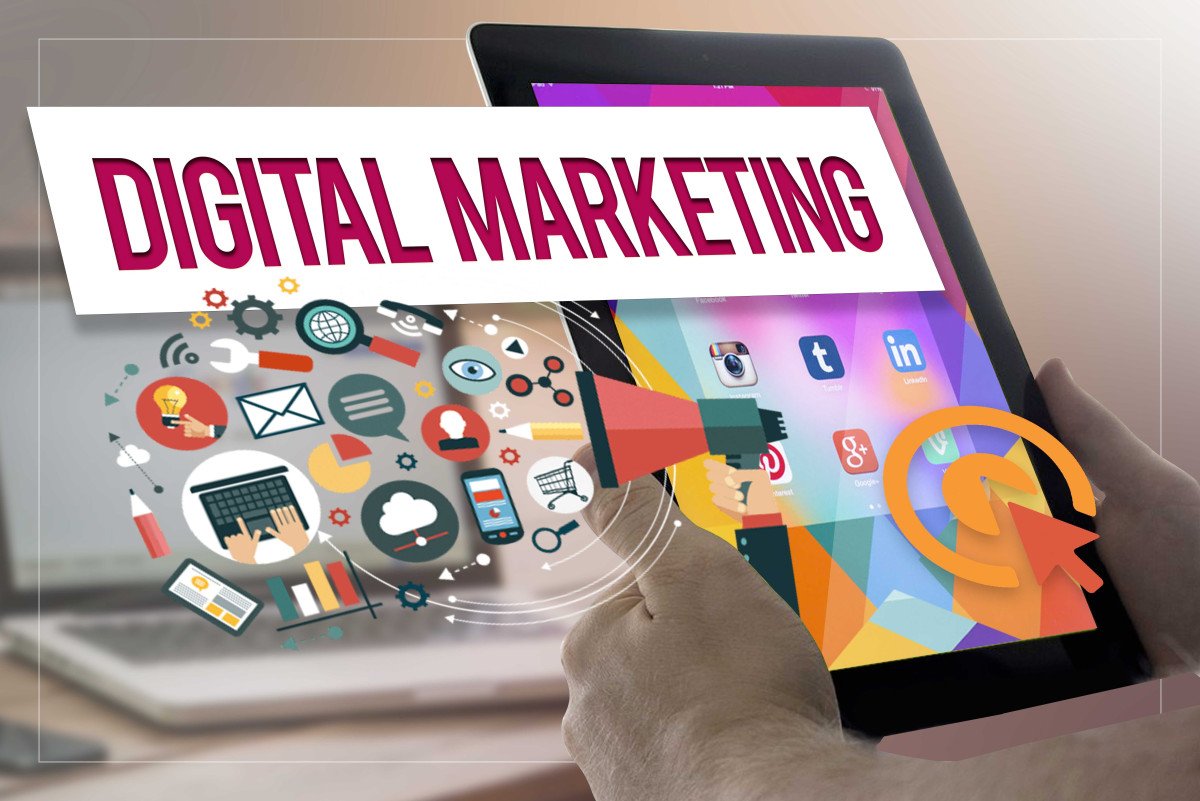
In the rapidly evolving landscape of business, a robust digital marketing strategy is no longer a luxury but a necessity. The way consumers discover, engage with, and purchase from brands has fundamentally shifted online. To remain competitive and achieve sustainable growth, businesses must strategically utilize a diverse array of digital marketing channels. These channels offer unique advantages and cater to different stages of the customer journey, from initial awareness to post-purchase loyalty. Understanding which channels are most effective and how to leverage them optimally is key to cutting through the digital noise and connecting with the target audience.
The digital marketing ecosystem is vast and constantly innovating, but several core channels have proven their enduring value and continue to be the bedrock of successful online campaigns. These channels, when integrated intelligently, create a synergistic effect that amplifies reach, engagement, and conversion rates.
Search Engine Optimization (SEO)
At the forefront of inbound marketing, Search Engine Optimization (SEO) remains a cornerstone of digital strategy. Its primary goal is to improve a website's visibility in organic (non-paid) search engine results pages (SERPs). When users search for products, services, or information related to a business, appearing high in the search results provides immediate credibility and drives qualified traffic. Effective SEO involves a multi-faceted approach, including:
- On-page optimization: This encompasses optimizing content, meta tags, title tags, and internal linking structures to make web pages more relevant and understandable to search engines and users.
- Off-page optimization: Building authority and trust through backlinks from reputable websites, social media signals, and brand mentions.
- Technical SEO: Ensuring a website is crawlable, indexable, and loads quickly, with a mobile-friendly design and secure connection (HTTPS).
- Keyword research: Identifying the terms and phrases your target audience uses when searching for solutions your business offers.
SEO is a long-term strategy that builds sustainable traffic and brand authority. Unlike paid advertising, the traffic generated through SEO is essentially free once the initial investment in optimization is made. It's crucial for businesses aiming to capture users actively seeking their offerings.
Content Marketing
Closely intertwined with SEO, Content Marketing focuses on creating and distributing valuable, relevant, and consistent content to attract and retain a clearly defined audience. The aim is not to advertise products directly but to engage users, build trust, and establish the brand as a thought leader in its industry. Content can take many forms:
- Blog posts and articles
- Ebooks and whitepapers
- Infographics and visual content
- Videos and webinars
- Podcasts
- Case studies
High-quality content serves multiple purposes. It fuels SEO efforts by providing fresh, keyword-rich material for search engines to index. It educates potential customers, addresses their pain points, and guides them through the buyer's journey. Furthermore, engaging content encourages social sharing, further expanding reach and brand awareness. The ROI of content marketing is often measured in terms of lead generation, customer loyalty, and brand perception, making it a vital component for long-term business success.
Social Media Marketing
With billions of active users worldwide, Social Media Marketing offers unparalleled opportunities for brand building, customer engagement, and direct sales. It involves using social media platforms like Facebook, Instagram, Twitter, LinkedIn, TikTok, and Pinterest to connect with audiences, share brand updates, run targeted advertising campaigns, and provide customer support. The effectiveness of social media marketing lies in its:
- Audience reach: The sheer volume of users on these platforms allows businesses to reach a vast and diverse audience.
- Targeting capabilities: Advanced advertising tools enable precise targeting based on demographics, interests, behaviors, and more.
- Engagement and community building: Social media fosters two-way communication, allowing brands to interact directly with their customers, gather feedback, and build loyal communities.
- Brand storytelling: Platforms are ideal for sharing brand personality, values, and behind-the-scenes content, humanizing the brand.
Beyond organic posting, paid social media advertising can deliver highly targeted and measurable results, driving traffic, leads, and sales efficiently. A strong social media presence is essential for modern brands to stay relevant and accessible.
Pay-Per-Click (PPC) Advertising
Pay-Per-Click (PPC) advertising, most commonly associated with search engines like Google Ads and Bing Ads, provides immediate visibility by placing ads at the top or bottom of search results pages. Advertisers bid on keywords, and their ads are displayed when users search for those terms. They only pay when a user clicks on their ad, making it a performance-based model.
PPC campaigns offer several advantages:
- Instant traffic: Unlike SEO, PPC can drive traffic to a website almost immediately after a campaign is launched.
- Precise targeting: Advertisers can target specific demographics, locations, devices, and even times of day.
- Measurable results: PPC platforms provide detailed analytics on ad performance, allowing for continuous optimization and ROI tracking.
- Brand awareness: Even if users don't click, seeing the brand's ad can increase visibility and recall.
PPC is particularly effective for driving conversions, promoting time-sensitive offers, and reaching audiences who are actively searching for specific products or services. It requires careful keyword selection, compelling ad copy, and strategic landing page design for maximum effectiveness.
Email Marketing
Despite the rise of new platforms, Email Marketing remains one of the most powerful and cost-effective digital marketing channels. It involves sending targeted messages to a list of subscribers who have opted in to receive communications from the brand. The key to successful email marketing lies in building a quality list and delivering personalized, valuable content.
Benefits of email marketing include:
- Direct communication: It allows for a direct line of communication with interested prospects and existing customers.
- High ROI: Often cited as having one of the highest ROIs among digital marketing channels, due to its low cost and high conversion potential.
- Personalization and segmentation: Emails can be highly personalized based on subscriber data, behavior, and preferences, leading to increased engagement.
- Nurturing leads: It's an excellent tool for nurturing leads through the sales funnel with relevant information and offers.
- Customer retention: Regular communication with existing customers can foster loyalty, encourage repeat purchases, and promote upsells.
From newsletters and promotional campaigns to automated drip sequences and transactional emails, email marketing plays a critical role in customer relationship management and driving repeat business. The ability to segment audiences and deliver tailored messages makes it an indispensable tool for businesses of all sizes.
Other Emerging and Complementary Channels
While the above channels form the core of most digital marketing strategies, several other channels and tactics are gaining prominence or serve as valuable complements:
- Influencer Marketing: Collaborating with individuals who have a significant following and influence over a target audience.
- Affiliate Marketing: Partnering with affiliates who promote products or services in exchange for a commission on sales.
- Video Marketing: Utilizing platforms like YouTube and Vimeo for product demos, tutorials, brand stories, and customer testimonials.
- Mobile Marketing: Optimizing campaigns for mobile devices, including SMS marketing and in-app advertising.
- Marketing Automation: Using software to automate repetitive marketing tasks like email sequences, social media posting, and lead nurturing, improving efficiency and personalization.
The most effective digital marketing strategies are not about choosing one channel over another but about integrating multiple channels in a cohesive manner. A well-rounded approach ensures that businesses can reach their audience at various touchpoints, reinforce their message, and guide prospects smoothly through the entire customer journey. By understanding the unique strengths of each digital marketing channel and implementing them strategically, businesses can unlock significant growth, build lasting customer relationships, and thrive in the competitive digital marketplace.
What's Your Reaction?
 Like
0
Like
0
 Dislike
0
Dislike
0
 Love
0
Love
0
 Funny
0
Funny
0
 Wow
0
Wow
0
 Sad
0
Sad
0
 Angry
0
Angry
0

We focus on content that stays useful over time. Instead of chasing short-lived trends, we create evergreen articles, guides, tips, and educational resources designed to deliver long-term value. Our team works to ensure every article is clear, reliable, and helpful for readers seeking trustworthy information online













Comments (0)