

What is Marketing and Digital Marketing? Detailed Explanation with Examples
Understand the core concepts of marketing and digital marketing. Explore their strategies, tools, and real-world examples in this detailed explanation.

Marketing, in its broadest sense, is the activity, set of institutions, and processes for creating, communicating, delivering, and exchanging offerings that have value for customers, clients, partners, and society at large. It's about understanding what people need and want, and then developing products or services to meet those needs, all while communicating their value effectively. At its heart, marketing is about building relationships and fostering exchanges that benefit both the provider and the consumer.
The traditional marketing landscape encompassed a variety of channels. Think of print advertisements in newspapers and magazines, television commercials, radio spots, billboards, direct mail campaigns, and even telemarketing. These methods aimed to reach a broad audience, often with a one-size-fits-all message. The goal was to create awareness, generate interest, and drive sales. This involved extensive market research to understand consumer demographics, psychographics, and behaviors. Companies would then craft compelling messages and choose the most appropriate channels to deliver them, often with significant budgets allocated to media buying and creative production.
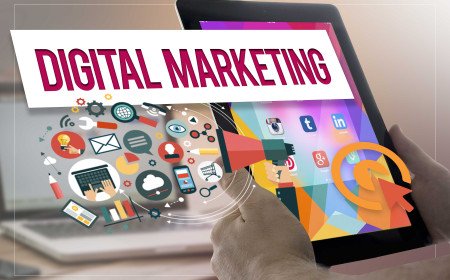
Digital marketing, on the other hand, is a subset of marketing that leverages the internet and online-based digital technologies such as desktop computers, mobile phones, and other digital media and platforms to promote products and services. It has revolutionized how businesses connect with their audiences, offering unprecedented opportunities for targeting, personalization, and measurement. Instead of broad strokes, digital marketing allows for precision, reaching specific individuals based on their online behavior, interests, and demographics.
Key Components of Digital Marketing
Digital marketing is a multifaceted discipline, encompassing a range of strategies and tactics. Some of the most prominent include:
- Search Engine Optimization (SEO): This involves optimizing websites and online content to rank higher in search engine results pages (SERPs) for relevant keywords. The aim is to drive organic (non-paid) traffic to a website. For example, a local bakery optimizing its website for terms like “best croissants near me” or “custom cakes downtown” would be engaging in SEO.
- Search Engine Marketing (SEM): This encompasses both SEO and paid advertising on search engines, commonly known as Pay-Per-Click (PPC). PPC campaigns, like Google Ads, allow businesses to bid on keywords and display ads to users actively searching for related products or services. An e-commerce store selling running shoes might run PPC ads for “buy running shoes online” or “discount athletic footwear.”
- Content Marketing: This strategy focuses on creating and distributing valuable, relevant, and consistent content to attract and retain a clearly defined audience – and, ultimately, to drive profitable customer action. This can include blog posts, articles, videos, infographics, e-books, and podcasts. A software company might create a series of blog posts explaining how to solve common industry problems, positioning themselves as experts.
- Social Media Marketing: This involves using social media platforms (like Facebook, Instagram, Twitter, LinkedIn, TikTok) to connect with audiences, build brand awareness, drive website traffic, and increase sales. It includes organic posting, paid advertising, and influencer collaborations. A fashion brand might use Instagram to showcase new collections through visually appealing posts and stories, and run targeted ads to reach potential customers interested in fashion.
- Email Marketing: This is a direct marketing strategy that uses email to promote products or services, build customer loyalty, and nurture leads. It involves sending newsletters, promotional offers, and personalized messages to a subscriber list. A travel agency might send weekly newsletters featuring discounted vacation packages to its subscribers.
- Affiliate Marketing: This performance-based marketing strategy involves promoting other people's or companies' products and earning a commission for each sale that you generate. For instance, a tech reviewer might include affiliate links to a product they've reviewed on their blog, earning a percentage of any sales made through that link.
- Influencer Marketing: This involves partnering with individuals who have a significant following and influence over their audience to promote products or services. A beauty brand might collaborate with a popular makeup artist on YouTube to review and showcase their new makeup line.
- Pay-Per-Click (PPC) Advertising: While often part of SEM, PPC is a distinct advertising model where advertisers pay a fee each time one of their ads is clicked. This is common on platforms like Google Ads and social media advertising. A restaurant might use Facebook ads to promote a special lunch offer to users within a specific geographic radius.
The Interplay Between Marketing and Digital Marketing
Digital marketing is not a replacement for traditional marketing; rather, it's an evolution and an expansion of it. Many successful marketing strategies integrate both traditional and digital approaches. For example, a company might run a television commercial that directs viewers to a specific website or social media page for more information or a special offer. This creates a cohesive brand experience across multiple touchpoints. The core principles of understanding your audience, crafting compelling messages, and delivering value remain the same, but the channels and methods have expanded dramatically with the advent of digital technologies.
The advantage of digital marketing lies in its measurability and adaptability. Through analytics tools, businesses can track the performance of their campaigns in real-time, understanding exactly which strategies are working and which need adjustment. This allows for continuous optimization and a more efficient allocation of marketing budgets. Furthermore, digital channels enable highly personalized interactions, fostering stronger customer relationships and increasing brand loyalty. Whether it's through targeted email campaigns, personalized website experiences, or engaging social media content, digital marketing allows businesses to speak directly to the needs and interests of individual consumers.
In conclusion, marketing is the overarching discipline of connecting businesses with customers. Digital marketing is the modern, internet-driven manifestation of this discipline, offering powerful tools and strategies to reach, engage, and convert audiences in the digital age. Both are essential for businesses aiming to thrive in today's competitive marketplace, with digital marketing offering unparalleled opportunities for precision, personalization, and performance tracking.
What's Your Reaction?
 Like
0
Like
0
 Dislike
0
Dislike
0
 Love
0
Love
0
 Funny
0
Funny
0
 Wow
0
Wow
0
 Sad
0
Sad
0
 Angry
0
Angry
0

Hi, I'm Vijendra Sharma, a content writer with 6+ years of experience in creating informative and SEO-friendly content. I write on topics including business, technology, digital marketing, finance, and startups. My goal is to deliver clear, practical, and valuable content that helps readers stay informed and make better decisions in the digital world.














Comments (0)