

How to Be Happier: Simple Habits That Make a Difference
Discover actionable strategies to leverage happiness for improved productivity, career success, and long-term professional growth.

In the modern corporate landscape, happiness is often dismissed as a secondary byproduct of success—a nice-to-have element that appears only after hitting quarterly targets or securing a promotion. However, psychological research suggests that this traditional model is fundamentally flawed. Happiness is not merely the outcome of professional achievement; it is a primary driver of it. By cultivating a positive mental state, individuals can unlock higher levels of creativity, resilience, and efficiency, creating a self-reinforcing cycle of high performance.
The Science of Positive Productivity
The correlation between happiness and professional results is rooted in the broaden-and-build theory. When we experience positive emotions, our cognitive horizons expand. Instead of focusing narrowly on survival or task completion, our brains become more adept at identifying creative solutions and building social capital. This shift allows for better problem-solving, as a positive outlook enables the mind to process information more holistically. To get better results, one must view happiness as a strategic asset rather than an emotional luxury.
One of the most effective ways to integrate this is through the practice of intentional gratitude. This is not about forced positivity; it is about cognitive training. By taking five minutes at the end of each workday to identify three specific accomplishments or positive interactions, you prime your brain to scan for success rather than deficits. This shift in focus reduces the stress-induced tunnel vision that often leads to burnout and errors, ensuring that your output remains consistent and high-quality.
Structuring Your Day for Optimal Well-being
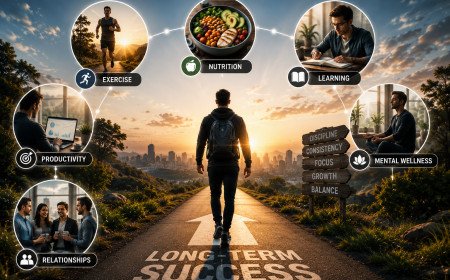
Efficiency is rarely about working more hours; it is about working with higher energy. Happiness is closely tied to how we manage our internal resources. Many professionals fall into the trap of constant reactivity, responding to emails and notifications as they arise. This fragmented approach destroys deep work and drains mental energy. By structuring your day to prioritize high-impact tasks during your peak energy hours, you create a sense of agency that contributes directly to job satisfaction.
- Batching tasks: Group similar activities together to reduce cognitive switching costs. This minimizes mental fatigue and allows you to finish tasks faster, providing a sense of completion that boosts mood.
- Strategic breaks: Stepping away from your workspace is not an admission of defeat; it is a necessary tactical reset. Short, frequent breaks allow for psychological detachment, which prevents the accumulation of stress and keeps your focus sharp.
- Micro-goals: Break complex projects into smaller, manageable milestones. Achieving these smaller goals triggers dopamine releases, which keep motivation high and provide momentum for long-term objectives.
Cultivating Resilience Through Social Connections
Professional success is rarely a solitary endeavor. The quality of your relationships acts as a primary buffer against workplace stress. When you prioritize authentic connection, you build a support network that provides both emotional stability and collaborative opportunities. Happy professionals are more likely to be viewed as leaders because their attitude is contagious. By fostering an environment of psychological safety, you encourage open communication and innovation, both of which are essential for producing superior results.
To foster these connections, focus on active listening and radical transparency. When you engage with colleagues with the intent to understand rather than to respond, you build trust. Trust simplifies workflows, reduces the friction of office politics, and makes the daily grind significantly more enjoyable. When work feels like a collaborative effort toward a shared goal, the energy required to reach that goal decreases, making high-level performance feel more sustainable.
The Role of Mindfulness in Performance
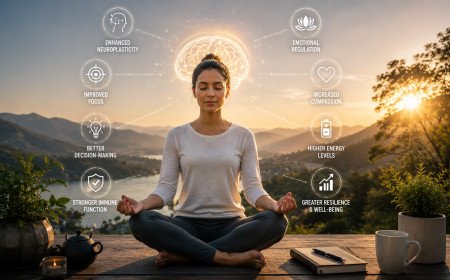
Mindfulness is often misunderstood as a passive activity, but in a professional context, it is a high-performance tool. It involves maintaining an awareness of your mental state, allowing you to recognize when stress is beginning to cloud your judgment. By practicing mindfulness, you gain the ability to choose your response to challenges rather than reacting impulsively. This emotional regulation is a hallmark of high-achievers who maintain their composure under pressure.
Implementing this can be as simple as a three-minute breathing exercise before a high-stakes meeting. This pause allows you to shed lingering frustration from previous tasks and enter the room with a clear, focused, and positive mindset. When you are present, you are more likely to notice opportunities that others miss and to communicate your ideas with clarity and conviction. This presence is a direct contributor to your professional results, as it ensures that your energy is directed toward the right actions at the right time.
Defining Personal Success Metrics
Finally, to get better results with happiness, you must define what success looks like on your own terms. Relying solely on external validation—such as salary bumps or titles—leads to a 'hedonic treadmill' where the goalpost for happiness is always moving. When you anchor your happiness to internal metrics, such as mastery of a skill, the quality of your contributions, or the growth of your team, you gain a sense of control that is immune to external fluctuations.
Start by identifying your core values and aligning your work with them. When your daily actions are congruent with your values, you experience a sense of meaning that is the most durable form of happiness. This meaning acts as a powerful fuel, allowing you to persist through difficult projects and overcome setbacks that would derail others. By integrating these practices, you transform happiness from a fleeting emotion into a robust framework for professional excellence, ensuring that you achieve not just better results, but a more fulfilling career path.
What's Your Reaction?
 Like
0
Like
0
 Dislike
0
Dislike
0
 Love
0
Love
0
 Funny
0
Funny
0
 Wow
0
Wow
0
 Sad
0
Sad
0
 Angry
0
Angry
0

We focus on content that stays useful over time. Instead of chasing short-lived trends, we create evergreen articles, guides, tips, and educational resources designed to deliver long-term value. Our team works to ensure every article is clear, reliable, and helpful for readers seeking trustworthy information online














Comments (0)