

How to Improve Sleep Quality: Common Mistakes and Proven Solutions
Optimize your rest with evidence-based strategies. Discover common sleep mistakes and actionable solutions to improve your sleep quality and daily energy levels.
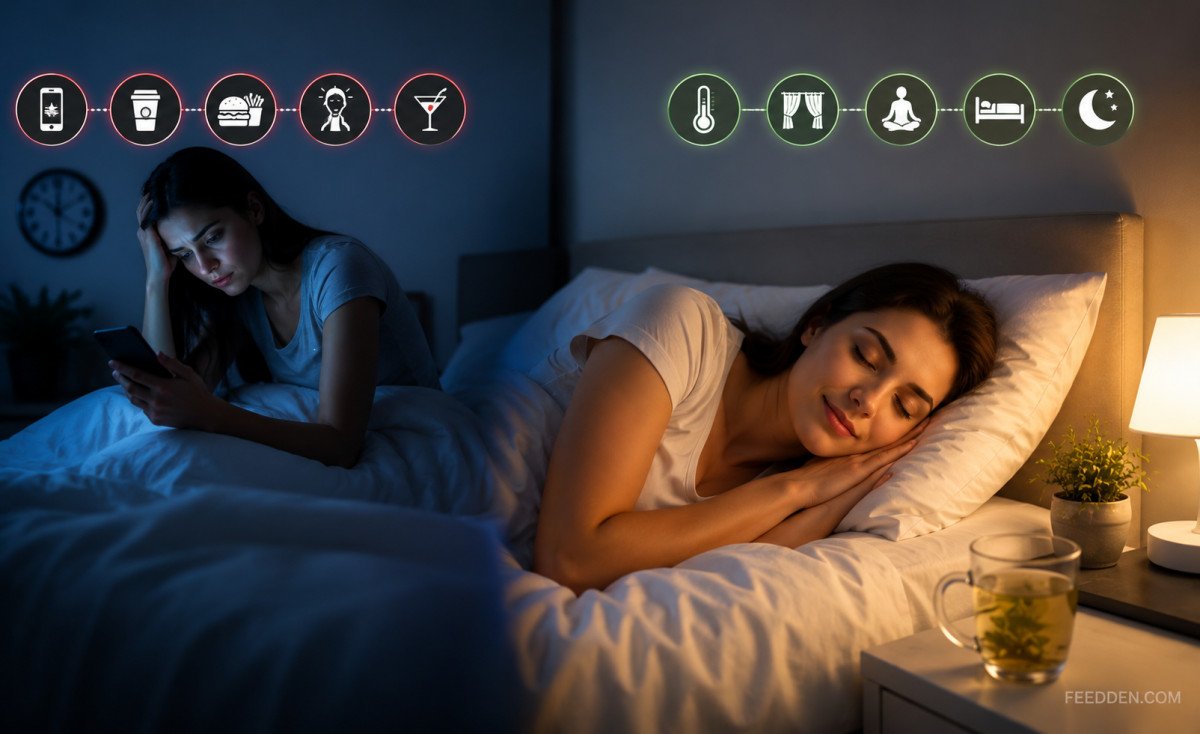
Achieving deep, restorative sleep is not merely a luxury; it is a biological necessity that underpins physical health, cognitive function, and emotional stability. Despite its critical importance, many individuals struggle with fragmented rest, often unknowingly sabotaging their sleep cycles through ingrained habits. By examining common pitfalls and implementing evidence-based adjustments, it is possible to transform your nocturnal experience and significantly enhance your overall well-being.
The Impact of Circadian Misalignment
The human body operates on an internal clock known as the circadian rhythm, a 24-hour cycle regulated by the suprachiasmatic nucleus in the brain. This system relies heavily on environmental cues, primarily light and dark, to signal when the body should remain alert or enter a state of rest. A common mistake in modern society is the chronic disruption of this rhythm through inconsistent sleep-wake schedules.
When you vary your bedtime by more than an hour between weekdays and weekends, you induce a state of social jetlag. This phenomenon confuses your internal clock, leading to difficulty falling asleep and persistent grogginess. To counteract this, establish a rigid schedule. Consistency strengthens the body's internal timing, allowing you to fall asleep faster and wake up feeling refreshed.
The Digital Interference Problem
Perhaps the most pervasive threat to modern sleep quality is the ubiquity of artificial light, particularly blue light emitted by smartphones, tablets, and computers. Blue light exposure suppresses the production of melatonin, the hormone responsible for signaling to your body that it is time to sleep. Many individuals mistakenly believe that the content they consume—even if it is relaxing—is the primary issue. In reality, the light exposure itself is the physiological barrier.
Actionable Solutions:
- Implement a digital curfew: Disconnect from all electronic screens at least 60 minutes before bedtime.
- Utilize warm-spectrum lighting: If you must use lighting in the evening, opt for low-intensity, warm-toned bulbs.
- Engage in analog wind-down rituals: Replace screen time with reading a physical book, meditation, or light stretching.
Optimizing the Sleeping Environment
Your bedroom should function as a sanctuary dedicated exclusively to rest. Many people make the mistake of using their bed as a multifunctional space for working, eating, or watching television. This creates a psychological association between the bed and mental stimulation, which can lead to anxiety or restlessness when you attempt to sleep.
Furthermore, the physical conditions of the bedroom play a pivotal role in sleep architecture. Temperature, in particular, is frequently overlooked. Research consistently shows that the ideal temperature for sleep is roughly 65 to 68 degrees Fahrenheit (18 to 20 degrees Celsius). As you prepare for sleep, your core body temperature must drop; a room that is too warm can prevent this natural cooling process, leading to fragmented sleep and frequent awakenings.
Nutritional Impacts on Rest
What you consume in the hours leading up to bedtime dictates the quality of your rest. Alcohol, for instance, is a common sleep-aid misconception. While it may possess sedative properties that help you drift off initially, alcohol severely disrupts REM (Rapid Eye Movement) sleep. This leads to a shallower, less restorative sleep cycle, leaving you feeling unrefreshed despite having spent hours in bed.
Similarly, caffeine has a half-life of approximately five to six hours. Consuming coffee or caffeinated tea in the late afternoon can keep your central nervous system stimulated well into the night. It is advisable to cut off caffeine intake by 2:00 PM to ensure the substance has been metabolized before you attempt to retire for the evening.
Managing the Racing Mind
Psychological stress and the inability to 'turn off' the brain are primary drivers of insomnia. Many people attempt to solve this by ruminating on their to-do list while lying in bed. This is counterproductive. If you find yourself awake for more than 20 minutes, the best course of action is to leave the bedroom. Engaging in a quiet, low-light activity—such as reading a boring book or folding laundry—can help reset your focus. Return to bed only when you feel genuinely tired.
Techniques such as progressive muscle relaxation or cognitive behavioral therapy for insomnia (CBT-I) have proven highly effective in managing nocturnal anxiety. By training the brain to associate the bedroom solely with sleep, you can break the cycle of stress-induced wakefulness.
The Role of Physical Activity
Regular exercise is a potent tool for improving sleep quality, but timing is essential. Engaging in high-intensity cardiovascular activity too close to bedtime can elevate cortisol levels and core body temperature, making it difficult to fall asleep. Conversely, consistent daily movement helps regulate the sleep-wake cycle and can increase the duration of deep, slow-wave sleep. Aim to complete vigorous workouts at least three hours before your planned bedtime to allow your body sufficient time to return to a baseline state of relaxation.
Summary of Best Practices
Improving sleep quality is rarely about finding a single 'magic pill.' Instead, it requires a holistic approach that addresses your environment, your biology, and your daily habits. By prioritizing consistency, managing light exposure, refining your nutritional intake, and creating a dedicated sleep space, you can reclaim the restorative power of rest. The journey to better sleep is a process of incremental change; start by addressing one or two of these areas, and observe how your energy, mood, and cognitive clarity begin to improve over time. Remember, the goal is not to force sleep, but to provide your body with the optimal conditions required for it to occur naturally and effectively.
What's Your Reaction?
 Like
0
Like
0
 Dislike
0
Dislike
0
 Love
0
Love
0
 Funny
0
Funny
0
 Wow
0
Wow
0
 Sad
0
Sad
0
 Angry
0
Angry
0

We focus on content that stays useful over time. Instead of chasing short-lived trends, we create evergreen articles, guides, tips, and educational resources designed to deliver long-term value. Our team works to ensure every article is clear, reliable, and helpful for readers seeking trustworthy information online














Comments (0)