

Homemade Ice Cream: Your Ultimate Guide to Sweet Perfection
Unlock the secrets to creamy, delicious homemade ice cream. This comprehensive guide covers everything from essential ingredients to advanced techniques for perfect frozen desserts.
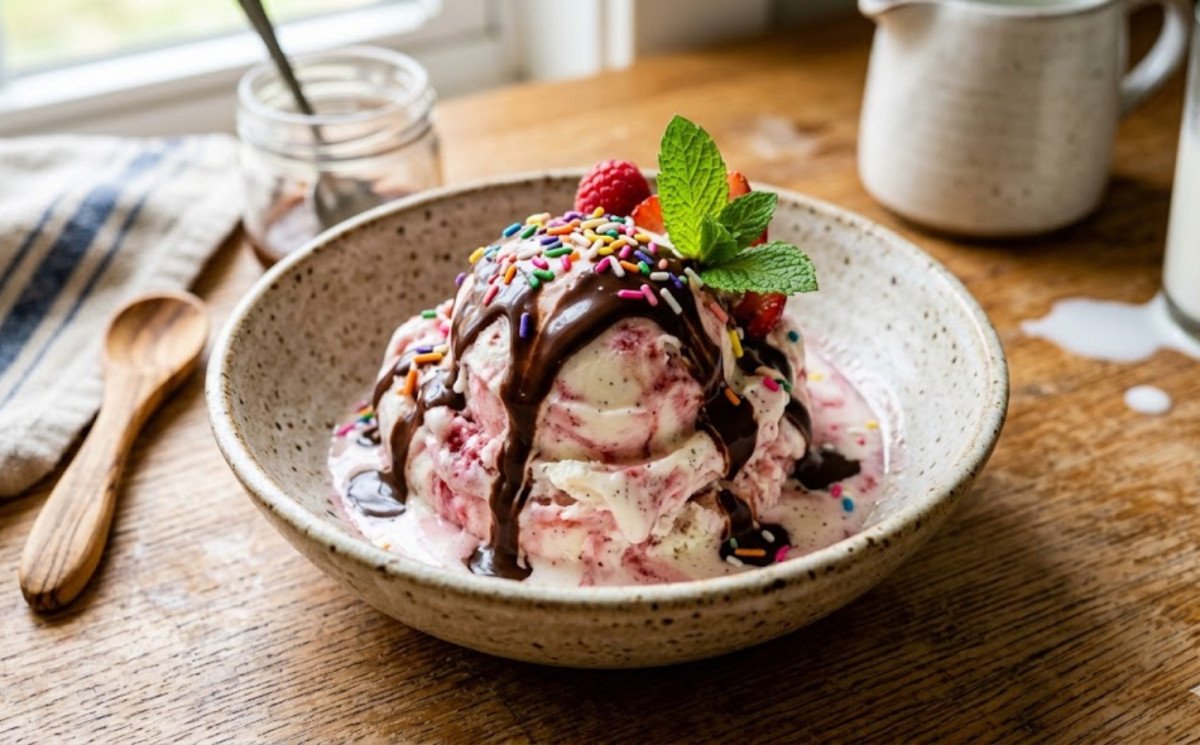
Embarking on the journey of making ice cream at home is a delightful and rewarding endeavor, transforming simple ingredients into a luxurious frozen treat. Far from being an intimidating culinary feat, homemade ice cream offers unparalleled control over flavor, texture, and quality, allowing for creative experimentation and healthier alternatives. This guide will demystify the process, providing a comprehensive understanding of the core principles, essential equipment, and versatile techniques to achieve ice cream perfection in your own kitchen.
At its heart, ice cream is an emulsion of fat, water, and air, stabilized by sugar and solids. The magic lies in freezing this mixture while agitating it to prevent large ice crystals from forming, resulting in a smooth, creamy texture. The fundamental components of a classic ice cream base are dairy (milk and cream), sugar, and flavorings. The ratio of these ingredients significantly impacts the final product. Cream contributes richness and fat, which inhibits ice crystal formation, leading to a smoother mouthfeel. Milk provides water and protein, contributing to the overall structure. Sugar not only sweetens but also lowers the freezing point of the water, ensuring the ice cream remains scoopable rather than a solid block of ice. Egg yolks, when used, act as emulsifiers and enrich the base, creating a custard-style ice cream that is exceptionally smooth and decadent.
Essential Ingredients and Their Roles
To achieve superior homemade ice cream, understanding the function of each ingredient is paramount:
- Dairy: A combination of heavy cream (typically 30-40% milkfat) and whole milk is standard. The higher fat content from cream is crucial for smoothness and richness.
- Sugar: Granulated sugar is the most common, but alternatives like brown sugar, honey, or maple syrup can add nuanced flavors. The amount of sugar affects sweetness and texture; too little results in a hard, icy product, while too much can prevent proper freezing.
- Stabilizers/Emulsifiers: While egg yolks are classic, cornstarch, gelatin, or commercial stabilizers can be used to improve texture and prevent ice crystal formation, especially in recipes without eggs or those made with alternative milks.
- Flavorings: This is where creativity shines. Vanilla extract is a staple, but fruits, chocolate, nuts, spices, coffee, and liqueurs can all be incorporated. The quality of your flavorings directly impacts the final taste.
- Salt: A pinch of salt enhances sweetness and balances flavors, making them more pronounced.
Equipment for Ice Cream Making
While a dedicated ice cream maker is highly recommended for the best results, several methods exist:
- Ice Cream Maker (Compressor or Freezer Bowl): These machines churn the ice cream base while freezing it, incorporating air and preventing large ice crystals. Compressor models have a built-in freezing unit, while freezer bowl models require pre-freezing the bowl for several hours. This is the most efficient and effective method for achieving professional-quality ice cream.
- Food Processor or Blender: For a quick, no-churn option, frozen fruit (like bananas) can be blended until smooth to create a soft-serve consistency.
- Hand Mixing Method (No-Churn): This involves periodically stirring a chilled base as it freezes in the freezer. It requires more manual effort and vigilance to achieve a smooth texture.
The Classic Custard Base (Philadelphia Style vs. French Style)
Two primary styles of ice cream bases dominate homemade recipes:
- Philadelphia Style: This is a simpler, egg-free base. It typically involves heating milk, cream, sugar, and flavorings, then chilling the mixture thoroughly before churning. It's quicker to prepare and results in a lighter, purer flavor profile, allowing the primary ingredients to shine.
- French Style: This method incorporates egg yolks, creating a rich, custard-like base. The egg yolks are tempered with the hot dairy mixture and then cooked gently until thickened. This process adds significant richness, smoothness, and a luxurious mouthfeel due to the emulsifying properties of the yolks. It requires careful cooking to avoid scrambling the eggs.
Step-by-Step Guide to Making Ice Cream (with an Ice Cream Maker)
Follow these steps for a classic, churned ice cream:
- Prepare the Base: Whisk together your chosen ingredients (dairy, sugar, flavorings, and egg yolks if making a French-style base). If using eggs, gently heat the milk and cream, then temper the yolks by slowly whisking a small amount of the hot liquid into them, before returning the mixture to the saucepan to cook until thickened (coating the back of a spoon). If making a Philadelphia-style base, simply combine and heat gently if needed to dissolve sugar.
- Chill Thoroughly: This is a critical step. The base must be extremely cold before churning. Cover the mixture and refrigerate for at least 4 hours, or preferably overnight. A cold base freezes more efficiently, leading to smaller ice crystals and a smoother texture.
- Churn the Ice Cream: Assemble your ice cream maker according to the manufacturer's instructions. Pour the chilled base into the frozen bowl or compressor unit and churn until it reaches a soft-serve consistency. This typically takes 20-30 minutes.
- Harden the Ice Cream: Transfer the churned ice cream to an airtight container. For the firmest texture, press plastic wrap directly onto the surface of the ice cream to prevent ice crystals from forming, then cover the container. Freeze for at least 2-4 hours, or until firm enough to scoop.
No-Churn Ice Cream: A Simpler Alternative
For those without an ice cream maker, no-churn methods offer a delightful solution:
- Condensed Milk Method: This popular technique relies on sweetened condensed milk and whipped cream. The high sugar content of the condensed milk prevents excessive ice crystallization, while the whipped cream incorporates air. Simply fold flavorings into a mixture of sweetened condensed milk and whipped cream, then freeze until solid.
- Frozen Fruit Method: As mentioned, blending frozen fruits (especially bananas) creates a naturally sweet and creamy dessert with a soft-serve texture. Add a splash of milk or cream if needed for smoother blending.
Tips for Perfect Homemade Ice Cream
Elevate your ice cream game with these expert tips:
- Use High-Quality Ingredients: The better your ingredients, the better your ice cream will taste.
- Don't Skip the Chilling Step: A thoroughly chilled base is non-negotiable for smooth ice cream.
- Avoid Overfilling the Ice Cream Maker: The mixture expands as it churns and freezes.
- Add Mix-ins Wisely: Fold in chunks of chocolate, nuts, or fruit in the last few minutes of churning or after transferring to the hardening container to prevent them from becoming too hard or sinking.
- Experiment with Flavors: Don't be afraid to get creative! Explore spices, herbs, coffee, tea infusions, and fruit purees.
- Consider Alcohol: A small amount of alcohol (like a tablespoon or two of liqueur) can help lower the freezing point, making the ice cream softer and easier to scoop, but too much will prevent it from freezing properly.
- Storage Matters: Store ice cream in an airtight container in the coldest part of your freezer to minimize ice crystal formation.
Crafting ice cream at home is an accessible and immensely satisfying culinary pursuit. Whether you opt for the classic churned method with a rich custard base or embrace the simplicity of a no-churn recipe, the result is a personalized frozen dessert that is sure to impress. With a little practice and attention to detail, you can consistently create scoops of pure, homemade bliss.
What's Your Reaction?
 Like
0
Like
0
 Dislike
0
Dislike
0
 Love
0
Love
0
 Funny
0
Funny
0
 Wow
0
Wow
0
 Sad
0
Sad
0
 Angry
0
Angry
0

Kabeer Tyagi is a passionate writer and researcher who specializes in health, education, career guidance, and personal development topics. He focuses on creating easy-to-understand, informative content that helps readers make better decisions about their health, learning, and professional growth. Through practical insights and well-researched articles, Kabeer aims to empower individuals with knowledge that supports a healthier and more successful life.















Comments (0)